

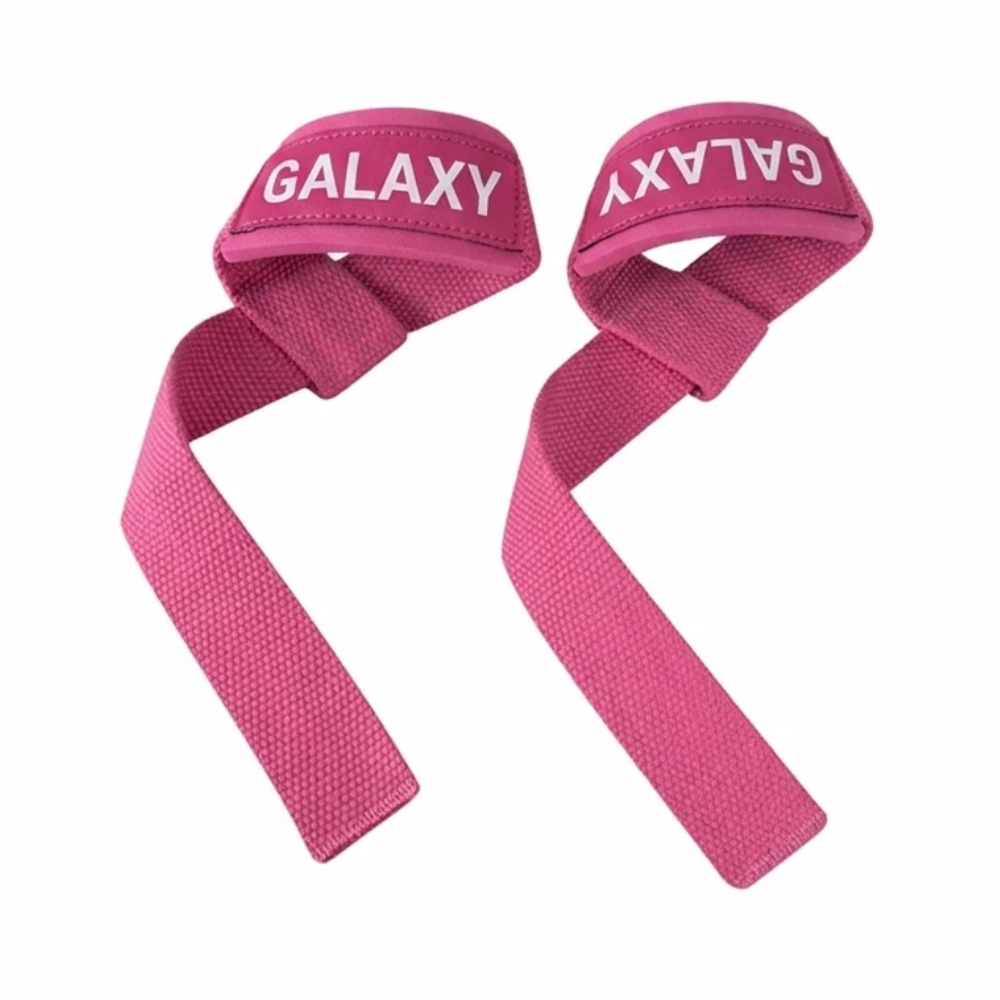
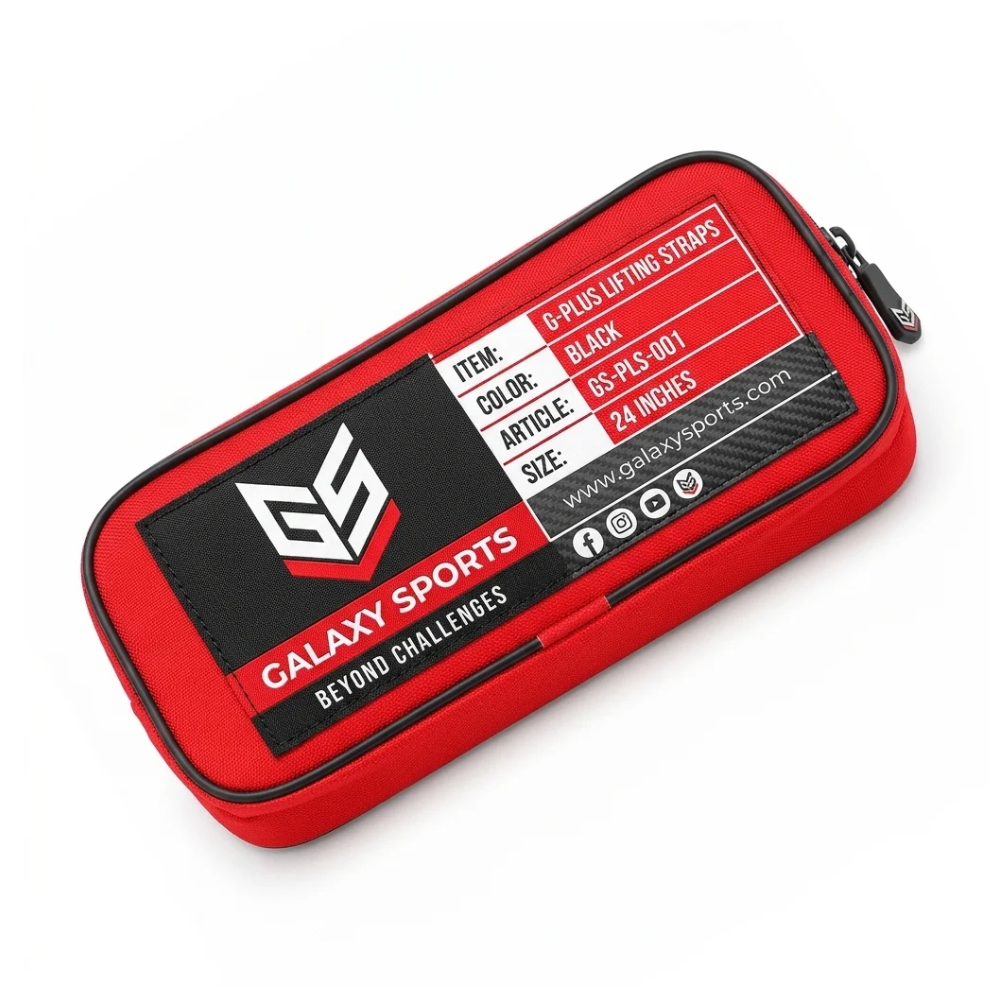
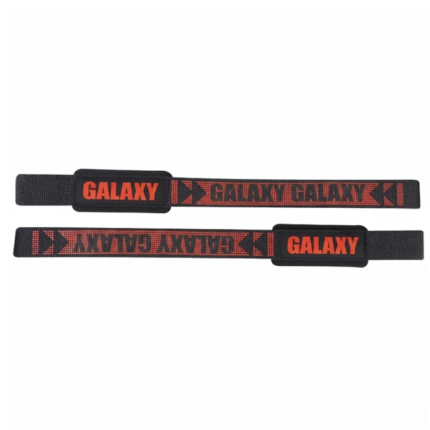

Pro Grip Padded Lifting Straps – Premium Neoprene Cushion, Durable Stitching are made for lifters who want comfort and reliability from the same accessory. Heavy pulling puts real pressure on the wrist, and a thin, unpadded loop can dig in as the weight climbs. A cushioned loop with strong stitching keeps the strap comfortable and dependable, set after set and session after session.
Purpose and use
Lifting straps are a training accessory that shifts part of the load from your fingers to your wrist and forearm. They are used on conventional and sumo deadlifts, Romanian deadlifts, rack pulls, barbell and dumbbell rows, shrugs, lat pulldowns, and pull-ups. By reducing grip demand, they help you complete heavier sets or more reps while keeping attention on the target muscles. They are a gym accessory, not a medical device, and they do not treat or prevent injury. Most powerlifting federations do not allow straps in competition, so use them for training and check your federation’s rules before a meet.
The neoprene cushion
Neoprene is a dense, closed-cell synthetic foam that is soft, flexible, and resistant to compression. Sewn into the wrist loop, it spreads pressure across a wider area of the wrist and forearm, which reduces the pinching and pressure marks that thin webbing can cause under heavy load. Neoprene also absorbs some sweat and feels comfortable against the skin through long sessions. The cushion is for comfort, not injury prevention, and it works best alongside neutral wrist positioning and sound technique.
Durable stitching
The loop is the most stressed part of any strap, because it takes the full pull of the bar. Strong straps use dense, reinforced stitching, such as box or double-row stitching, at the loop and where the tail joins the webbing. Good thread and tight stitch spacing help the seam resist loosening and fraying over time. Inspect stitching regularly, since it is usually the first place a worn strap shows its age. Check the product page for the exact stitching pattern.
Design features
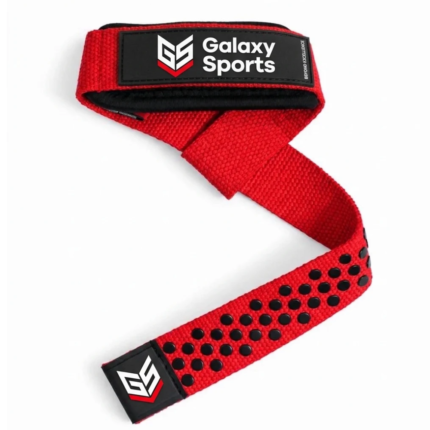
Each strap has a neoprene-padded wrist loop, a long woven tail for several tight wraps, and reinforced seams at stress points. A textured, non-slip surface helps the wrap hold on knurled bars. The webbing is wide enough to spread pressure across the palm and resists stretching under load. The straps work with barbells, dumbbells, cable attachments, and pull-up bars.
Material benefits
The webbing is typically cotton, nylon, or a blend. Cotton feels natural and grippy, while nylon resists wear and moisture. Tightly woven webbing holds its width and resists fraying at the edges. Together with neoprene padding, the strap balances grip, comfort, and long-term wear.
Usability
Slide your hand through the loop, run the tail under the bar, wrap it two to three times toward your thumb, and roll the bar slightly to tighten before lifting. Practice with light weight first. Keep wrists neutral and avoid wrapping so tightly that circulation is restricted. Release the wrap fully before setting the bar down. Use straps on heavy or high-volume sets, and train grip separately on lighter work.
Care and maintenance
Hand wash with mild soap and cold water, or use a gentle machine cycle in a laundry bag. Air dry away from direct heat, since high heat can damage neoprene and the adhesives around it. Regular cleaning removes sweat, chalk, and odor. These straps are reusable and not suitable for autoclave or medical sterilization.
Durability
Reinforced stitching, quality webbing, and a resilient neoprene cushion support heavy, frequent use. Inspect your straps before every session and replace them if you see fraying, loose stitching, a stretched loop, or flattened padding, since a failing strap can lead to a dropped bar.
Key Features
- Neoprene-padded wrist loop for comfort under heavy loads
- Durable reinforced stitching at the loop and tail
- Secure bar lock for deadlifts, rows, shrugs, and pull-ups
- Textured non-slip surface for knurled bars
- Long tail for multiple wraps and a firm hold
- Sweat-absorbing cushion for longer training sessions
- Durable webbing that resists stretching and fraying
- Reduces grip fatigue so target muscles work to fatigue
- Works with barbells, dumbbells, cables, and pull-up bars
- Lightweight and easy to carry in a gym bag
- Suitable for beginners, bodybuilders, and powerlifters
- Sold as a pair for both hands
Product Specifications
| Specification | Details |
|---|---|
| Product Type | Pro Grip Padded Lifting Straps |
| Application | Deadlifts, rack pulls, rows, shrugs, pull-ups, and heavy pulling exercises |
| Material | Woven cotton or nylon webbing with neoprene-padded loop (confirm exact material) |
| Finish | Textured non-slip surface, reinforced stitching |
| Sterilization | Not applicable (not autoclavable; hand wash or gentle machine wash) |
| Reusability | Reusable |
| Specialty | Neoprene cushion, durable reinforced stitching, long wrap tail |
| Instrument Type | Fitness accessory (not a surgical instrument or medical device) |
| Usage | Strength training, bodybuilding, powerlifting training, and CrossFit |
| Product Contents | 1 pair (2 straps) of Pro Grip Padded Lifting Straps |
Applications
- Conventional and sumo deadlifts (training)
- Romanian and stiff-leg deadlifts
- Rack pulls and deficit deadlifts
- Barbell, dumbbell, and T-bar rows
- Barbell and dumbbell shrugs
- Pull-ups, chin-ups, and lat pulldowns
- Seated cable rows and heavy cable work
- Bodybuilding, powerlifting, and general strength programs
FAQs
1. What does neoprene padding do on lifting straps?
It cushions the wrist loop, spreading pressure and absorbing sweat so the strap is more comfortable under heavy load. It is for comfort, not injury prevention.
2. Are padded lifting straps better than unpadded ones?
Padding adds comfort, while unpadded straps are thinner and some lifters prefer that feel. The right choice depends on comfort and preference.
3. How can I tell if a strap has durable stitching?
Look for dense, even stitching at the loop and tail junction, often box or double-row stitching, with no loose threads or gaps.
4. Can I use padded straps for deadlifts?
Yes. Straps are commonly used on heavy and high-volume deadlifts. Most powerlifting federations do not allow them in competition, so use them for training.
5. Will straps weaken my grip strength?
Using them on every set can slow grip development. Many lifters skip straps on warm-ups and lighter sets and use them for heavy work.
6. How do I clean neoprene-padded straps?
Hand wash with mild soap and cold water, or use a gentle cycle in a laundry bag, then air dry away from direct heat.
7. When should I replace my lifting straps?
Replace them if you see fraying, loose stitching, a stretched loop, or flattened padding. A worn strap can fail under load.




Reviews
There are no reviews yet.